
About HealthcareInvestmentBanking.com and Richard C. Wilson
HealthcareInvestmentBanking.com is a free education site on healthcare M&A, valuation, deal structure, regulation and capital raising. It is written for physician, dental, ASC, home health, behavioral health, healthtech and healthcare services owners who plan to raise capital, sell or recapitalize. It also serves the family offices and physician investors who back them.
Richard C. Wilson started this site. This page covers who he is and what he does not claim, how the site connects to the Family Office Club, how the guides are built and checked, and how to reach him.
What the Site Is and Is Not
HealthcareInvestmentBanking.com is not a broker-dealer or investment bank. It does not run sale processes, negotiate for clients, or arrange or sell securities. Its job is to make an owner a better-prepared seller or issuer and a sharper judge of the advisers they hire.
| Activity | This site | Registered broker-dealer or investment bank |
|---|---|---|
| Publishes guides, checklists and calculators | Yes, free | Often, as marketing |
| Runs a sale or auction process | No | Yes, the core sell-side service |
| Negotiates price and terms for a client | No | Yes |
| Places securities with investors | No | Yes |
| Paid a success fee at closing | No | Usually, under the engagement letter |
| Paid investor memberships and events | Through Richard's Family Office Club | Rarely |
Who Is Behind the Site, and What He Does Not Claim
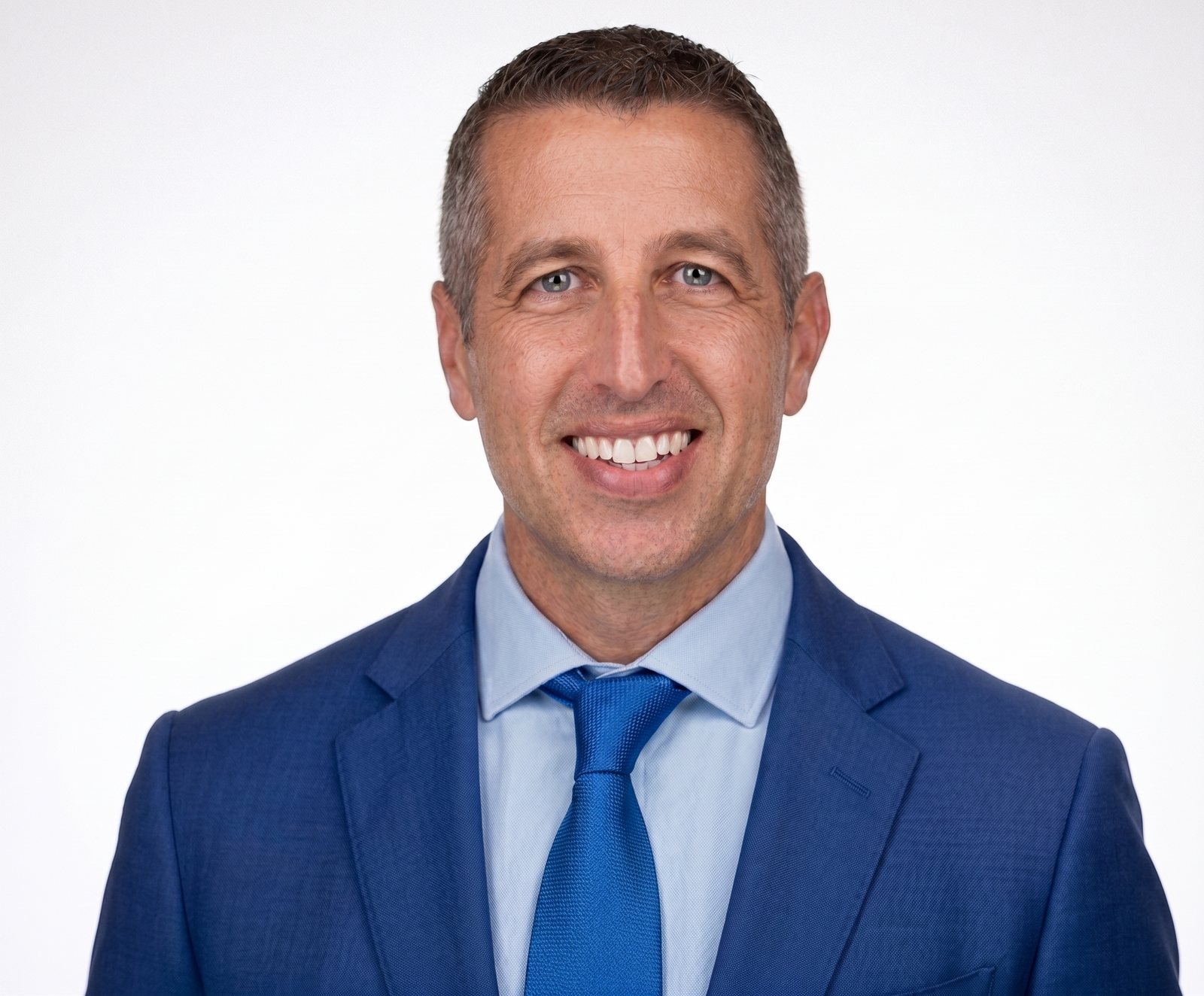
Richard C. Wilson started this site. Questions about a guide go to him directly through the contact page.

Richard C. Wilson founded the Family Office Club and wrote Capital Raising and The Single Family Office. His work centers on how private investors, especially family offices, decide where to put capital.
That is the expertise the site draws on. Richard is not presented as a healthcare M&A banker, and the site does not claim to have run healthcare sale processes. The guides on sell-side process, valuation and deal terms are built from published deal data and the primary sources linked in each guide, not from a book of closed transactions.
| Role | What it brings to the guides | What it does not cover |
|---|---|---|
| Founder, Family Office Club | How family offices screen, size and structure private investments | Running an auction or negotiating a purchase agreement |
| Author, Capital Raising | Investor targeting, relationship building and running a raise | Placing securities or acting as a placement agent |
| Author, The Single Family Office | How family offices are staffed and why their decisions differ from a fund's | Clinical operations or reimbursement |
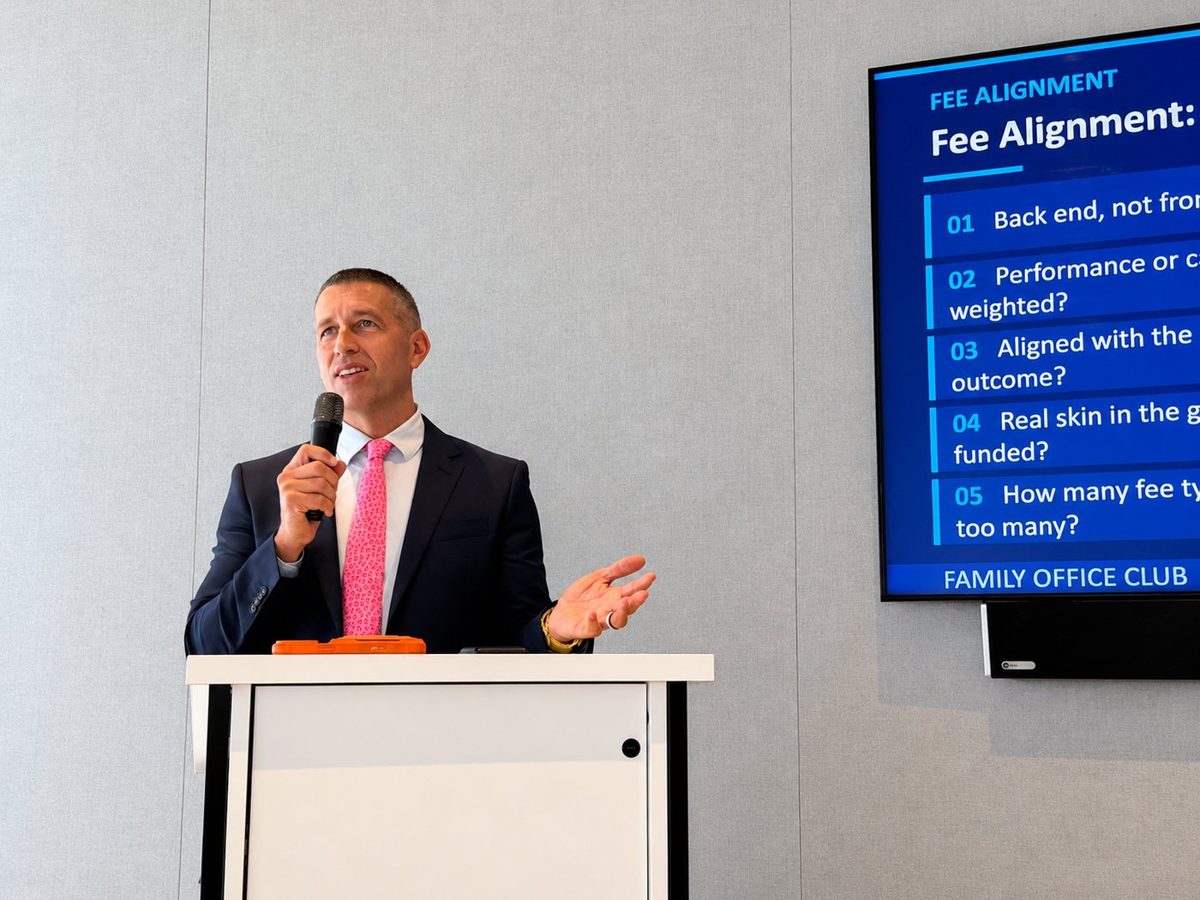
Guides are drafted by the site's editorial staff against the checked fact set and must pass the checks on the methodology page before they go live. Where a topic calls for transaction or legal judgment, the guide says what to ask a banker or attorney rather than supplying that judgment itself.
Commercial Ties, Stated Plainly
The Family Office Club is a commercial business. It sells memberships and runs paid investor events, and Richard is its founder. The site is operated by Co-GP Capital Partners, LLC. It is free and earns nothing from any reader's transaction. Guides link to the Family Office Club's events and videos where they fit a reader's stage, and those links point to paid programs.
Before paying for any event, membership or investor list, from the Family Office Club or anyone else, ask these four questions:
- What share of attendees or list entries are verified investors, and how were they verified?
- When was the list last updated?
- How many attendees have invested in healthcare in the past two years?
- What does the fee include, and is any part of it tied to capital you raise?
If any part of the fee depends on capital raised or a deal closing, read choosing a banker on who can be paid for introductions, and take that question to your own attorney.
Where to Start, by Question
| If you are | Your question | Start here |
|---|---|---|
| A physician or dentist owner thinking of selling | What are my options and trade-offs? | Selling a physician practice, Preparing for sale |
| An owner wanting a value range | What could my practice be worth? | Valuation multiples, Practice valuation calculator |
| An owner comparing offers | What will I actually take home? | Deal structures, Deal proceeds calculator |
| An owner approached by private equity | How do roll-ups work? | PE physician roll-ups, M&A process |
| A founder raising capital | Who funds healthcare and how? | Capital raising, Physician investors |
| A family office or physician investor | How do other investors approach healthcare? | Family office healthcare investing, Videos |
| Checking regulatory exposure | Which legal areas touch my deal? | healthcare compliance due diligence guide, healthcare M&A process guide |
| Deciding whether to hire a banker | Who runs a sale and how are they paid? | What is healthcare investment banking, Sell-side vs. buy-side, Choosing a banker |
How the Guides Are Made and Checked
Every guide follows five rules. The methodology page covers each in full.
- Matched to a source passage. Before publication, each third-party figure is matched to a quoted passage from its source, with the URL and data date recorded. Figures that cannot be matched are cut.
- Source and date in the sentence. Each figure names its source and data year or as-of date, and links to the primary dataset where one exists. When only a secondary summary exists, the guide says whose data it reports.
- Population labeled. Hospital deal counts, PE deal counts and public-company multiples measure different things. Guides do not set them side by side as if alike.
- Limits stay attached. If a source says its count is incomplete, the guide says so too.
- Our arithmetic is marked. Worked examples are labeled as our arithmetic and state their assumptions.
How those rules read in a guide:
| Figure as a guide presents it | Population | Rule it shows |
|---|---|---|
| The Private Equity Stakeholder Project tracked 1,029 PE-backed healthcare deals in 2025: 151 buyouts, 664 add-ons and 214 growth investments. PESP built the count from PitchBook and LevinPro HC data and says it is likely an underestimate. | PE-backed healthcare deals, calendar 2025 | Limits stay attached. The parts sum to the total (151 + 664 + 214 = 1,029, our arithmetic). |
| Kaufman Hall's Q3 2026 report, released October 13, 2026, counted 16 hospital and health system transactions announced in the quarter. | Hospitals and health systems only | Population labeled. Not compared with PESP's PE practice deals. |
| Aswath Damodaran's NYU Stern dataset, as of January 2026, lists an EV/EBITDA multiple of 11.17 for US Healthcare Support Services. | Listed US companies | A public-market reference point, not the price of a private practice. |
Before You Hire a Banker or Anyone Paid at Closing
Owners often land here while deciding whether to hire a banker. The two practical differences between advisers are registration and how they are paid. Run this screen on anyone whose fee depends on a deal closing:
- Ask whether the individual and the firm are registered.
- If yes, look up both on FINRA BrokerCheck and read the disclosures.
- If no, ask them to explain in writing how they expect to be paid at closing, and have your attorney review the answer.
- Ask for the full fee schedule in writing: retainer, success fee, minimum fee and tail period.
- Ask for three healthcare engagements of similar size in the past three years, and call the clients.
Fee models and selection criteria are covered in what healthcare investment banking is and choosing a banker.
Matching Your Next Step to the Right Adviser
Most owners need more than one adviser, and the order matters. Use this table to see who to bring in at each stage and what to have ready before the first conversation.
| Your next step | Who usually leads it | What to have ready | Site guide to read first |
|---|---|---|---|
| Getting a rough value range | You, then a banker or valuation firm | Three years of financials, owner compensation, payer mix | Valuation multiples |
| Cleaning up before a sale | Accountant and practice management team | Normalized EBITDA, provider contracts, key staff list | Preparing for sale |
| Running a sale or recapitalization | Sell-side banker | Value range, target buyer types, your timing and role after close | Choosing a banker |
| Raising growth capital | You, with an attorney and possibly a placement agent | Amount, use of funds, investor type, a short deck | Capital raising |
| Bringing in physicians as investors | You and your attorney | Who refers patients, proposed ownership split | Physician investors |
| Setting up a management company structure | Attorney and operations lead | Current ownership chart, services the company would provide | Management services organizations |
Physician referral and ownership questions are covered in healthcare compliance due diligence guide, and regulator notice and timing questions in healthcare M&A process guide. Read the relevant guide, then take your specific questions to your own attorney.
Talking to Richard C. Wilson
Requesting a call through the contact page costs nothing. A call is not an advisory engagement. Where a membership or event from the Family Office Club fits your stage, Richard will say so, and those programs are paid.
| Fits a call | Belongs with a registered adviser |
|---|---|
| Capital-raising strategy and investor materials | Listing a practice or company for sale |
| How family offices and private investors evaluate healthcare deals | Valuation opinions |
| Family Office Club programs suited to your stage | Introductions to buyers or investors for a fee |
| How to prepare for investor diligence | Placement of securities |
Bring three things: the amount you plan to raise or the decision you are weighing, the type of investor you expect, and the investor questions you could not answer.
Questions Practice Owners and Investors Ask
Who is behind HealthcareInvestmentBanking.com?
Richard C. Wilson started the site. He founded the Family Office Club and wrote Capital Raising and The Single Family Office. His background is on the investor side, especially family offices. He is not presented as a healthcare M&A banker, and the site does not claim sell-side deal experience.
How does the site make money, and what are its commercial ties?
The guides, checklists and calculators are free. It is published alongside the Family Office Club, a commercial business that sells memberships and runs paid investor events. Guides point readers to those programs where they fit a reader's stage.
How is the content on this site made and checked?
Each third-party figure is matched to a quoted passage from its source, with the link and the data year or as-of date, before it is published. Figures that cannot be matched are cut. The population behind each figure is labeled, a source's own limits stay attached, and any calculation of ours is marked as our arithmetic. The methodology page sets out the full process.
Is a call with Richard C. Wilson free, and is it a sales call?
Requesting a call through the contact page costs nothing. A call is not an advisory engagement. It covers capital-raising strategy and how family offices evaluate healthcare deals, and where a membership or event from the Family Office Club fits your stage, Richard will say so. Those programs are paid.
Sources
- Private Equity Healthcare Deals: 2025 in Review, Private Equity Stakeholder Project (PitchBook and LevinPro HC data)
- Q3 2026 M&A Quarterly Activity Report press release, Kaufman Hall, October 13, 2026
- EV/EBITDA multiples by sector (US), data as of January 2026, Aswath Damodaran, NYU Stern
- FINRA BrokerCheck, FINRA